

 |
|
 |
Home | |
Contact | |
FAQs | |
Testimonials | |
Order |  |
|
 |
The Burn The Fat Quick-Start
Guide For Business Blogging By John Sifferman Make More Money Online By Selling The Burn The Fat Program With Your Very Own Blog A lot of affiliates want to make money online, but don't know how to get started. When in doubt, always start a blog. People are absolutely making money blogging, and this is one of the best ways to start generating a passive income. Blogging has been all the rage in the last couple of years and it's fast becoming one of the most effective affiliate marketing platforms available. If you have a blog, that is a perfect way to promote the Burn the Fat program. And if you don't, then you're about to learn why you need to get one (and how to get one right now). In this blogging quick-start guide, you will learn:1) Why BurnTheFat affiliates should start blogging Most successful affiliates excel in one particular style of marketing, and by far our affiliates who blog relentlessly are the ones who make the most sales, the most often. Let me give you a personal example of the power of blogging. How I Made My First $500 BloggingOne of my blogs started out very slowly. In fact, I hadn’t even thought of monetizing it until I started to see my daily traffic start to climb. It was a “hobby blog” that eventually started to show some potential for bringing in a passive income. This is one of the secrets to success when it comes to blogging. You must absolutely post consistently, and that's why I recommend you only blog about topics you enjoy. After a year and a half of publishing blogposts consistently, I finally decided to participate in a product launch promotion, and I was amazed with the results. For the effort that I put in, I was hoping to earn about $500 in affiliate commissions during the launch week. That would have been enough to pay for the time invested. I was amazed when I had earned double that in just the first twelve hours. All in all, I made several thousand dollars that week, from a meager time investment. I was both shocked and excited with the results. My only regret is that I hadn’t started blogging sooner! And that’s exactly why my advice to all aspiring BurnTheFat affiliates is to start blogging now. It's a smart business move! The competition is fierce in the fitness and weight loss industry, and with companies like Google tightening their policies (ie the Google slap), it's getting harder and harder for affiliate marketers who don't have a blog to succeed. Bloggers have a clear advantage over other types of affiliate marketers because they are content producers, and companies like Google love this! I haven’t even gotten to the good part yet. Since that product launch, I’ve made thousands of dollars without doing any work at all. My blogposts got indexed in Google (because blogs are inherently optimized for getting ranked well in the search engines), and new customers have been searching for the product, reading my review, and purchasing through my affiliate links ever since. And it’s in this process that the true value of blogging comes into perspective. With a little bit of work up front, along with publishing blogposts regularly and consistently, and a commitment to developing relationships with your readers over the long-term, you enable yourself to make a passive income in both the short term and long term. The work you do today could still pay off months and years later, and we see this everyday in our sales stats. We have some affiliates who have been promoting us for years and some of the pages they put up years ago still make them sales today. You can experience the very same results that I and many of our top affiliates have from using blogging in your efforts to promote Burn The Fat, Feed The Muscle. I’ll say it again, most of our top affiliates are bloggers because this tool is one of the most sure-fire ways to develop a passive income through affiliate marketing. This tutorial will teach you how to get started with blogging, and how to find blogging resources to take your new blog to the next level. A lot of your blogging questions will be answered below and in future blogging tutorials, but by far, most of your questions will be answered if you simply start to experience the power of blogging. And you can get started doing that today. What kind of blog platform should you use? Best Choice: Wordpress on a Self-Hosted Domain Name Wordpress is the most versatile and user-friendly blog platform for bloggers with no programming knowledge because of its simplicity, ease of use, and versatility. The only catch is that you’ll need to install the blog on your own domain name to use it for affiliate marketing (Wordpress does not allow affiliate links unless you’re hosting your blog on your own domain name). Putting a Wordpress blog on a domain name you own is really the best option, and we recommend it for all affiliates who plan to make a passive income long-term. You see, if you decide to start a blog on a domain you don't own (like blogger, weebly, etc.), then that company technically owns your blog - and can do whatever they want with it. I've heard horror stories of successful internet marketers losing everything because Blogger shut down their sites, disappearing forever. Don't let that happen to you. Buy a domain name with reliable hosting. It's the safest and most versatile option, and you'll learn how to do this below. Get Started With Blogging Before you actually buy a domain name and setup your Wordpress blog, there are a few things you'll need to do first. Select a topic for your blog – This is arguably the most important decision you can make since it will affect everything else in the future. Your blog topic should be centered around what YOU are interested in, and maybe even what you’re experienced in. You should ask yourself a few questions before deciding on a topic. -Is the topic popular in your niche marketplace, and more importantly, will it still be relevant in several months or years? In other words, does the topic have longevity and is it something that will continue to grow in popularity as your blog grows? -Is there currently any competition in that niche market and are there any gaps in the market that need to be filled? One thing to keep in mind is that it's important for your topic to stand out in the marketplace. The more specific your niche market is, the better. There's already a lot of general weight loss and fitness blogs out there, and it will be a difficult market to break into for a new website. It's a smarter marketing move to cater to a very specific topic (ie "bodyweight training advice for traveling businessmen"), instead of a broad one (ie "fitness tips"). -Will the topic lend itself to creating plenty of original content for your audience? In the same breath, a topic that is too specific may be difficult to write about. So, make sure that you won't run out of content ideas after a few weeks or months. Note: Keeping up a blog – especially daily – can be very hard to do because you run out of content ideas and things to write about. When you use your blog to promote the Burn The Fat program as an affiliate, you don't have to worry about writers block or running out of content ideas, because you can use our reprintable articles and syndicated Q & A columns as content for your blog. Just copy and paste! -And lastly, are there ways to make money in this niche market, and how likely are the prospective customers to pay for the information you’re presenting on your blog and for products like Burn The Fat, Feed The Muscle? Choose and blog name and domain name – This is another important decision because it’s essentially choosing what your blog will be branded as in the marketplace. Most importantly, your blog name should convey exactly what your blog is about. There should be no question in a new visitors mind about what your topic is once they see your blog name. Some other considerations include: -Is the name easy to remember? Examples of Domain Names: http://www.burnthefatblog.com/ *If you plan to use the Burn The Fat trademark in your domain name, then please understand that we require you to use that domain to only promote BurnTheFat.com. See the affiliate agreement for more information, or Contact Us with any concerns. Note: If you're having trouble thinking of the perfect name, then try using your own name as the domain name. Write a blog description – Think of this as a “sales pitch” for your blog, because your website description will go in the header of your blog theme, just below your title. Your blog should be created, in part, to solve a problem that people are dealing with. Try to explain that in as few words as possible in your website description. The shorter this description is, the better, but clarity is more important than brevity. Examples: “Recipes, Food, and Nutrition Advice for Traveling Professionals” Once you have a topic, a name, and a description for your blog, you’re ready to actually create and publish one. Setup Your First Blog Now If you decide to use Wordpress, then here is a great video coaching series that will teach you exactly how to get your first blog setup and optimized, including writing your very first blog post and page. This will answer all of your technical questions about starting your very first blog and will give you a major headstart over your competition. Some companies charge a lot of money for this information, but these videos are 100% FREE. http://www.becomeablogger.com/ Take Your Blog to the Next Level Blogging can be a part-time hobby, a source of passive income, or a full-time career. Since blogging has become a viable solution for a small online business, there are a lot of blogging resources that can help you reach your blogging goals. The most well-known blog coaching website is ProBlogger. Darren Rowse is on his way to a 7-figure yearly income (if he isn’t there already), and he teaches every aspect of blogging from beginner tips to expert strategies alike. If you want to make a passive income or even a career from blogging, then you should study and apply the information presented on his site. There are many other "how-to blogging websites," but ProBlogger is the by far the best one. If you have any questions about blogging, please use the Contact Us Form and submit your question to John or the affiliate manager for priority response time.
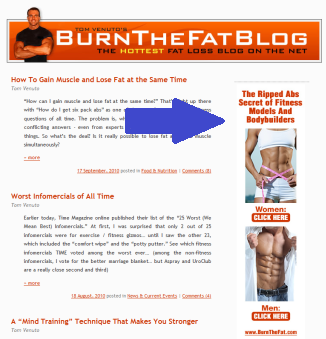
Sincerely, John Sifferman Blogging For Pleasure And Profit: 1. Keep your blogs brief. Blogs can be used as publishing tools to post articles or content of any length whatsoever. However, blogs tend to work best with short articles or "bite-sized "sound bytes" (400-800 words). As your readership grows, you may want to start experimenting with longer posts. (please note: I will be adding a "quick tips" and "sound bytes" section in the preprintable content area soon, and my longer articles may be broken into parts one and two, etc. 2. Be the face with the place. Show your name, face and personality. Be a human being, not an anonymous website out in cyberspace. The internet is not machines connected to other machines - it is people connected to other people. 3. Take a stand or be controversial. Part of showing your personality is to express your beliefs and opinions. This is part of what blogging is all about. A blog can be and should be a personal journal and a place for opinion and editorial. Speak your mind! If you don't like diet pills and you're upset about the advertising in the diet industry (like I am), then say so! 4. Blog about current news and events. Check the health news on CNN or Yahoo and comment on current news events and topics related to health and weight loss. For example, I wrote a blog with my two cents about the weight loss drug Xenical going over the counter when that was in the news not long ago. 5. Use your blog as a diet and training journal. In our industry (diet and fitness), blogging could not be a better and more natural fit! If you don't know what to blog about - use your blog as a training and diet journal! (which is a great motivational tool for accountability, by the way). 6. Be funny. If you have a sense of humor, use it (it doesn't have to be so serious!) 7. Don't be boring. No one will stay on or return to your blog if you bore them to death. Be engaging and entertaining. Web surfers are NOT a captive audience. Be boring... one click... they're gone! 8. Be original. Use my articles and reprintable content, but don't use them exclusively. Make sure your blog has at least some original content. Remember, a blog is just a publishing tool, but if you just republish the same articles everyone else does, then... well... you're the same as everybody else! Be unique, and be sure there is at least some unique content on your blog site. Because these articles are reprintable, you may also quote sentences, paragraphs or excerpts, provided you give proper attribution to the source and don't change any of the text. Then you can use the rest of your blog to add your personal commentary on the issue. That's what Dr. Mercola does - short article, news blurb or research study from somewhere else, followed by his commentary. 9. Have more than one website. It is a great idea to have a traditional, informational, themed "content" or "portal" website AND a blog. Just because you already have a website doesn't mean you shouldn't have a blog too. You can build a blog on its own domain or install it right there on the website you already have using a tool like Word Press. Websites are cheap to build and cheap to maintain these days. Take advantage of it. 10. Use the prime website real estate wisely. Here's one of the most important money making tips of all. The prime real estate on any website including a blog site is what is top and center -- right in the visitors face "above the fold" on the "first screen" they see when they land on the site. A text ad, review or banner ad posted permanently in that space will give you more bang for your buck than anything you write in blog posts. Here's an example:
11. Use the prime website real estate wisely, part 2. The articles you write on your blog are most effective as sales and promotional tools only while they are on the home page, because whatever is on your home page gets the most page views. It's a fact that blog archives are only visited a fraction of the time that the main page and current blog post is hit. Check your traffic stats if you need proof of this for yourself. Once again, this means that only what is right in the visitors face on the home page will get much attention. The second area of prime real estate on any good blog that stays in view at all times is the right hand navigation column, especially the upper part, in the first screen (what the visitor sees before they start scrolling). If you want to sell Burn The Fat e-books, or anything else online, you have to use your prime real estate wisely! (try a book cover with a short 2 or 3 line text ad right below it, in the upper right hand corner of the site and watch what happens to your results! That's all 11 - happy blogging!
|
||||||||||||||||||||||||||||||||||||||||||||||||||||||||||||||||||||||||||||



| Home | |
Contact | |
FREE Report | |
FAQs | |
Testimonials | |
Affiliates | |
Order | |
Links | |
Customer Service |

A Division of Fitness Renaissance, LLC
PO Box 5097
Hoboken, NJ 07030
201-653-5954
| Privacy Policy | Terms of Use | Disclaimer | Affiliate Agreement |
