

 |
|
 |
Home | |
Free Newsletter | |
Free Fat Loss Tips |  |
|
Negative Calorie Food
Fact or Fiction?
By Tom Venuto, author of Burn The Fat, Feed The Muscle

The Negative Calorie Diet Theory The phrase, "negative calorie food", as highlighted in negative calorie diet programs and books, usually refers to foods that allegedly require more energy to digest than they contain. Since the process of digestion requires the use of calories for energy, sometimes the net amount of metabolizable energy available from a food is less than the gross number of calories contained in the food. However, there is actually no such thing as a negative calorie food, if your definition of negative calorie food is that more calories are required to digest, aborb and assimilate the food than are contained in the food. In reality, the energy required to digest the food is only a small percentage of the total calories. The Thermic Effect of Food, Explained The energy used to digest food is known as the thermic effect of feeding. The thermic effect of each food varies based on the food type:
You may notice that fruits and vegetables make up most negative calorie food lists, but protein foods have the highest thermic effect. A significant amount of calories are required to digest and process proteins. In a protein food like a chicken breast, if a serving contained 200 calories, 30% or 60 calories may be required for the process of digestion. Therefore, the available metabolizable calories remaining are approximately 140. Lean Protein Foods Have the Highest Thermic Effect Not only do lean proteins have the highest thermic effect, research has proven that proteins are the most satiating and they help suppress the appetite better than other foods. Unless you are a vegetarian, in which case you will need to get your protein from plant-based sources, it makes sense to include lean proteins with each meal on a diet program to burn fat:
In this context, there is a grain of truth to the theory of negative calorie foods, but only if you're referring to the fact that some calories are burned in the digestive process, leaving a net calorie intake lower than the gross calories. There are NO foods that cost more calories to digest than the foods themselves contain. Dietary Fiber and Non-Metabolizable Calories Another possible interpretation of negative calorie foods is in the case of high fiber foods. Part of the caloric energy in fiber cannot be used by the human body and is passed through the digestive tract unabsorbed. Certain foods such as low calorie fruits and especially fibrous and green vegetables, which are extremely low in calorie density, do not provide very many metabolizable calories and some of the calories are not absorbed. In that sense, like the thermic effect of food, you could say there is a "negative calorie" effect. 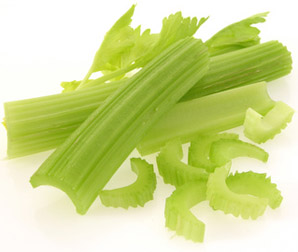 Celery as the Quintessential "Negative Calorie Food" Many people search the web for a list of negative calorie foods. The most commonly included food is celery. Celery is extemely low in calories. Two large stalks of celery contain only 20 calories, with 1 gram of protein, 2 grams of carbs and no fat. Celery also contains 2 grams of dietary fiber known as cellulose. Although some animals, such as ruminants (cows, etc), can digest cellulose, humans cannot. Since we can't absorb the calories from this dietary fiber, this probably helps explain the origin of the myth that celery has negative calories. The truth of the matter is that celery doesn't contain much of anything - it's very low in nutrients and calories. However, that does NOT mean it takes more calories to digest the celery than the celery contains. For nutritional bang for your buck, you're actually better off choosing darker greens such as Romaine lettuce, spinach, collard greens, kale, arugula, swiss chard, mustard greens and turnip greens. Not that you shouldn't eat celery. I find that by adding celery into some of my recipes, it adds crunch and gives a meal more bulk, so you feel fuller on less calories. Just don't buy into the celery and negative calories for weight loss myth. Conclusions and Recommendations When you look at various foods from this perspective you can see that eating more lean protein foods and more fruits and vegetables which have a high fiber content, may be more conducive to a fat loss program. However, it is a myth that there are negative calorie foods which require more calories to digest than they contain. My advice is not to get too caught up in the idea of negative calorie foods, but certainly do take advantage of foods that have a high thermic effect, which are low in calorie density, high in nutrient density, high in fiber and which help suppress your appetite, naturally (it sure beats popping pills!) If you want to learn more about fat burning foods and how to eat the right foods for your body type, be sure to watch my presentation on the home page... just click on the link below. - Tom Venuto
About Bodybuilding & Fat Loss Coach, Tom Venuto
Tom Venuto is the author of the #1 best seller, Burn the Fat, Feed the Muscle: Fat Burning Secrets of the World's Best Bodybuilders and Fitness Models. Tom is a lifetime natural bodybuilder and fat loss expert who achieved an astonishing ripped 3.7% body fat level without drugs or supplements. Discover how to increase your metabolism, burn stubborn body fat and find out which foods burn fat and which foods turn to fat by visiting the home page at: BurnTheFat.com |





A Division of Fitness Renaissance, LLC
PO Box 5097
Hoboken, NJ 07030
| Privacy Policy | Terms of Use | Disclaimer | Affiliate Agreement |
